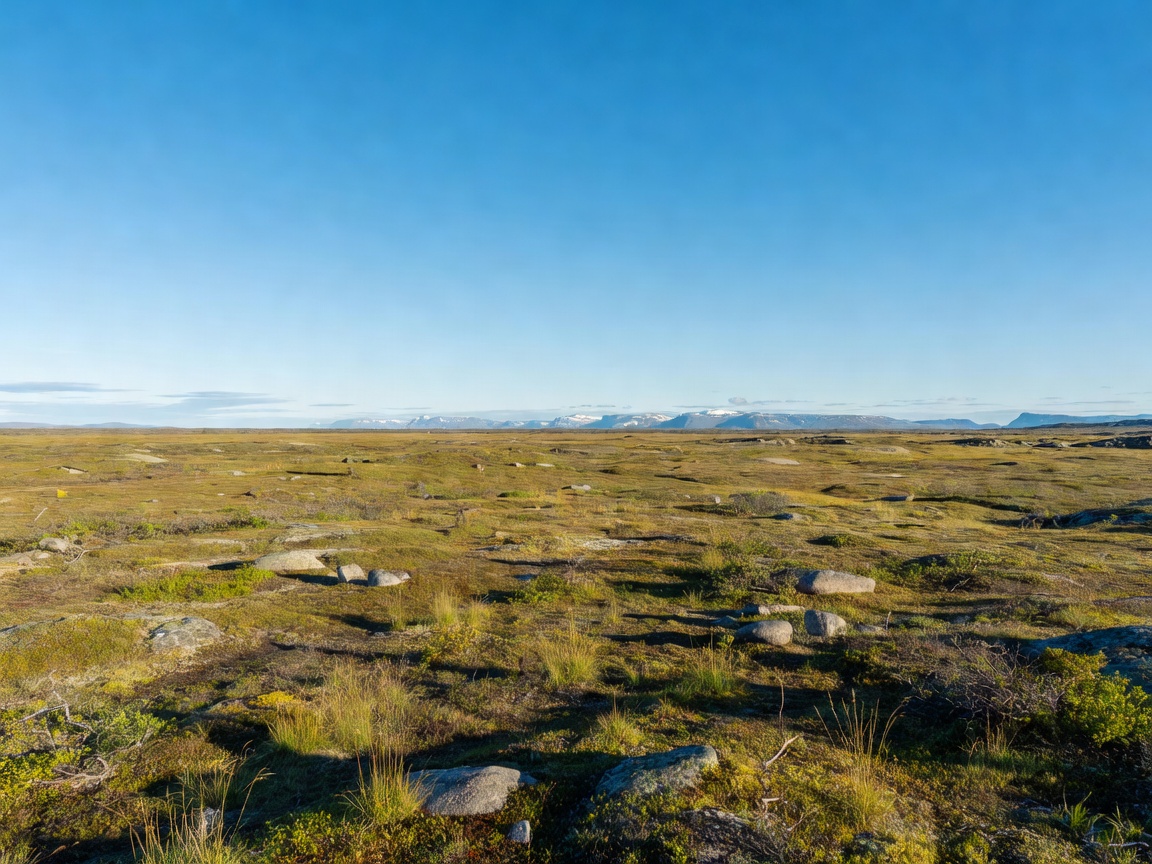
Lapland's seasons feel markedly different. Winter is associated with snow-based activities and short daylight periods; summer brings long days and a greener landscape. The shoulder seasons can bring changeable conditions, so check local opening schedules and transport before committing to a detailed itinerary.
Winter: darkness, snow and advance planning
Winter is the most popular time for many classic Arctic experiences, but cold weather and limited daylight call for sensible clothing and flexible scheduling. Reserve accommodation and popular guided activities in advance where possible. Conditions vary by location and date.
Spring: longer days and shifting conditions
As daylight increases, snow conditions and temperatures change. Some winter activities may continue while others wind down. Ask local operators about their actual operating dates rather than relying on a general seasonal description.
Summer: extended daylight and outdoor time
Long summer days support hiking and other outdoor plans, though insects, trail conditions and local service hours should be factored in. In the far north, the midnight sun is a seasonal feature; exact timing depends on latitude and date.
Autumn: colour and a quieter pace
Autumn foliage can be a memorable reason to travel, particularly in the northern regions, but weather is variable. Check accommodation opening periods and local transport schedules, as some services operate seasonally.
What about the northern lights?
Aurora visibility depends on darkness, clear skies and geomagnetic conditions. It is never guaranteed, regardless of room type or resort. If seeing the aurora is important, plan several nights where possible and build other enjoyable activities into the trip.
Choosing your dates
- Set your main priority: snow activities, long daylight, autumn colour or quieter travel.
- Check flights, trains and ground transfers for your exact arrival date.
- Confirm hotel and excursion opening dates directly with providers.
- Allow flexibility for weather and avoid tight connections in winter conditions.